

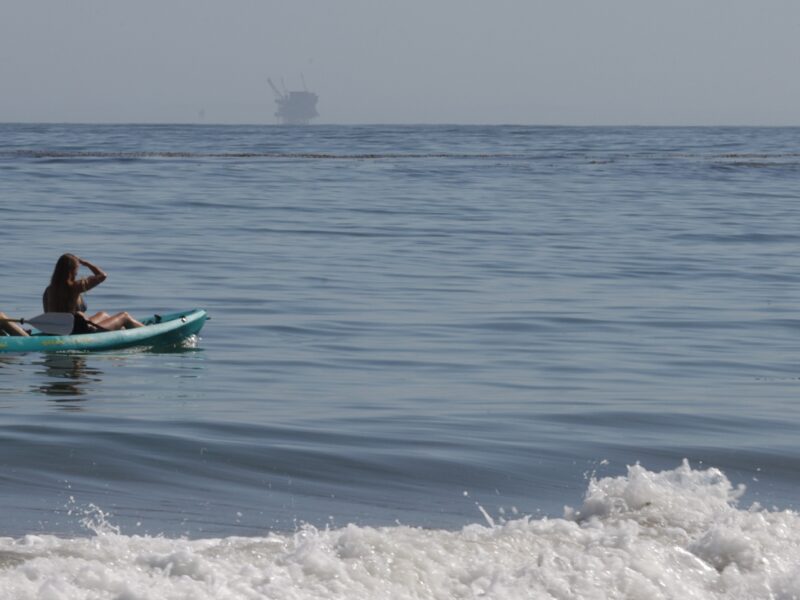
SANTA BARBARA COUNTY, Calif. (CN) - Set among rolling hills and dotted by palm trees and flower patches, Refugio State Beach offers a picture-perfect look at the Central California coast.
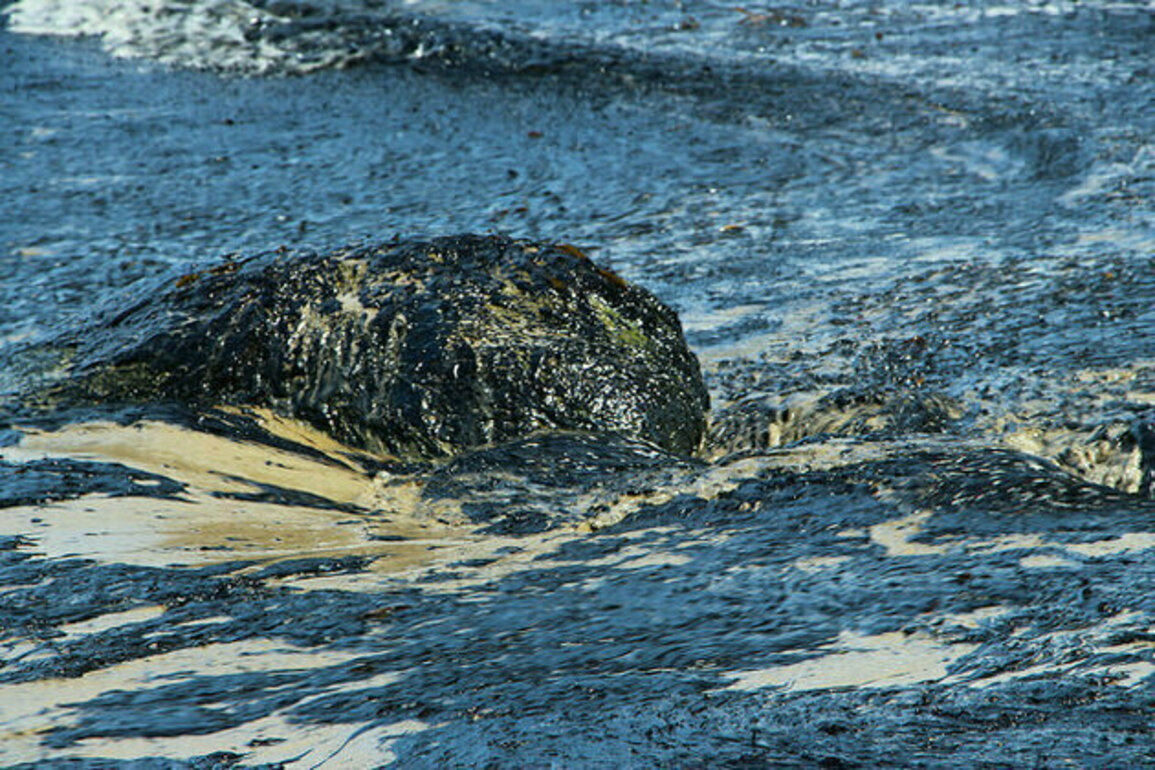
It's also the site of one of the worst oil spills in California history. In May 2015, a corroded oil pipeline burst in the sea here, pouring 142,800 gallons of crude into the Pacific Ocean. The resulting mess killed hundreds of birds and marine mammals, as thick black blobs of oil washed up on shore for hundreds of miles.
In the aftermath of that spill, authorities brought criminal charges against the owner at the time, Plains All American Pipeline. The company and one employee were indicted on 46 counts.
Plains was ordered to pay $60 million after a Santa Barbara court in 2018 found it guilty of felony failure to properly maintain its pipeline, as well as eight misdemeanor charges. That's on top of other fines and lawsuits related to the mess, including a $72.5 million fine to the California State Lands Commission. The site remained offline as ownership bounced from Plains to ExxonMobil and finally to Texas-based Sable Offshore Corp.
Now, a decade after the disaster and with President Donald Trump back in office, oil is flowing here once again. This month, exactly one decade after the Refugio oil spill, Sable said that on May 15, it had restarted extraction.
"The timing has nothing to do with [the] anniversary of the Refugio spill," Alice Walton, a spokesperson for Sable, said in an emailed statement. "All the work Sable has performed is fully permitted and approved."
Sable is sunny about the return of oil production to Refugio. In a news release announcing the restart, CEO Jim Flores said oil deposits were prolific and that the company was "excited about our development plan and prospects for the future."
Conservation groups - now fighting in court to stop the project - have a different take.
"You have this unique ecosystem, and it got totally decimated by the oil spill," Linda Krop, chief counsel for the local advocacy group Environmental Defense Center, said in an interview. "We don't even know what the long-lasting effects are."
"This is the most ecologically diverse area in the mainland United States. Only Hawaii has more ecological diversity," Krop added. "It's called the Galapagos of the United States."
The resumption of drilling at Refugio comes as the Trump administration pushes for increased domestic oil production.
On his first day back in the White House, Trump declared a national energy emergency. Several states including California are now suing over that order, calling it a fake crisis. Still, the Trump administration claims it can waive requirements for new oil-and-gas developments, including in the Pacific, where Trump wants to see more domestic offshore drilling. Last month, the Interior Department announced plans to further expand drilling along the U.S. coastline.
So far, state regulators have been seemingly unable to stop the Refugio project. The California Coastal Commission last month ordered Sable to stop development and pay up to $18 million damages, saying the company lacked proper permits and was threatening habitat.
The company fought back, filing a suit of its own. A federal judge blocked a temporary restraining order from the Commission, ruling that permits granted by previous owners also allowed Sable to repair the pipeline.
"We're pleased the court rejected the commission's unreasonable request," Steve Rusch, Sable's vice president of environmental and governmental affairs, said in a press release in April.
That court fight is just one of several surrounding the project. The Center for Biological Diversity and the Wishtoyo Foundation are suing the federal Bureau of Ocean Energy Management. The groups say the agency is violating the Outer Continental Shelf Lands Act by allowing Sable to operate with "woefully outdated" plans and infrastructure. Meanwhile, EDC is suing the Office of the State Fire Marshal, arguing Sable is operating without an adequate corrosion prevention system that could help prevent another pipeline breach.
EDC would like to see California officials fight harder against the project. It says renewed drilling here breaks state and federal laws, including federal protections for national marine sanctuaries. The group says the stakes are too high to allow Sable to operate in this ecosystem.
"This particular project is the biggest threat to the California coast," Krop said. "That's not hypothetical. This is a real threat, and this is something that the state can stop."
Last Sunday, May 18, marked almost exactly a decade since the 2015 oil spill. A crowd gathered on the beach to commemorate the spill, unaware that oil production was about to resume.
Sable's news release the next day dampened the mood. "The fact that they're putting this out today, when people are remembering this anniversary as a tragedy, shows how little regard they have for the people and environment of California," Alex Katz, executive director at EDC, said in an interview.
"This isn't just about the possibility of another major oil disaster in California," Katz added. It was also about "going backwards on fossil fuels." Offshore drilling had been largely phased out on the West Coast, but "this is definitely a reversal of that trend."
"This is happening without any kind of environmental review or a way for the public to weigh in or really even know that it's happening here, and that's on the governor," Katz said. "The carbon that this adds to the atmosphere is on [California Governor] Gavin [Newsom], and if there's another oil spill because of this pipeline, that's on him too."
On the actual 10-year anniversary, Refugio State Beach was quiet except for the usual beachgoers.
Among them: surfer John Allton from nearby Santa Ynez Valley. He'd visited Refugio beach since he was a kid. He'd recently bought a state parks pass, to get himself surfing more again.
While Allton remembered the spill, he wasn't aware it was the 10-year anniversary. Informed that drilling here would soon resume, he was not pleased.
"I'm definitely not for it," Allton said as he prepared to wade into the water near the point where the pipeline ruptured. "I'd prefer if they found other alternatives besides drilling on our pristine coastline."
Still, for Allton as for the rest of the country, giving up on gas is easier said than done. He quipped: "I did drive here in my vehicle, though."
Source: Courthouse News Service